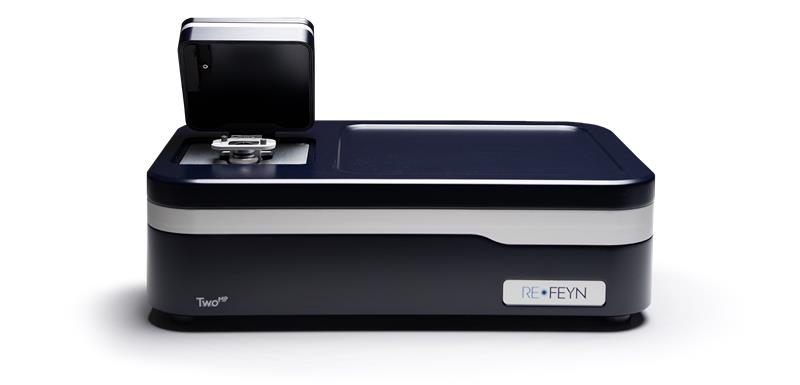
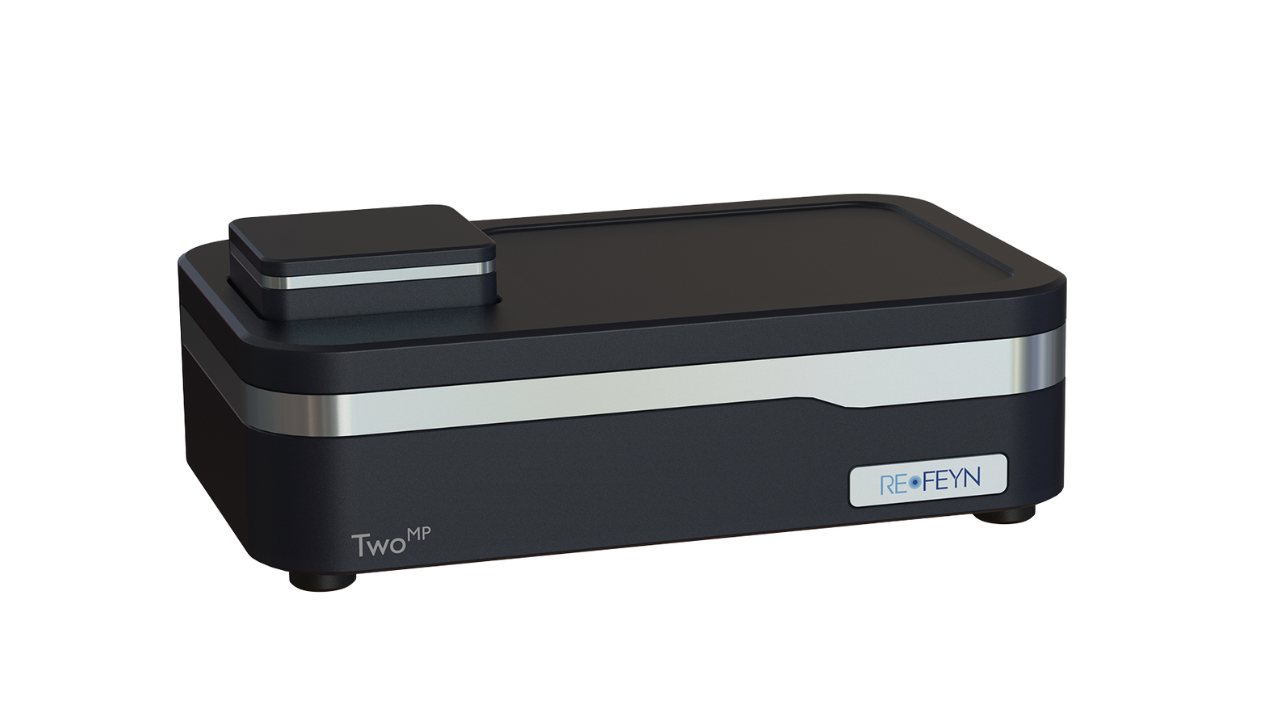
Mass photometry is a revolutionary new method of analyzing molecules. It enables the accurate mass measurements of single molecules in solution, in their native state and without the need for labels. For molecular mass measurements with unmatched sensitivity, speed and simplicity of use, a TwoMP mass photometer offers wide mass range and single-molecule resolution.
Headline?
High-fidelity measurements of molecular mass
Minimal quantities of sample required
Intuitive acquisition and data analysis software
Easy setup – a compact, benchtop instrument with minimum installation requirements
Supporting Headline
High-fidelity measurements
With its high sensitivity, the TwoMP is ideally suited for measurements at physiological (i.e. low) concentrations. The high dynamic range intrinsic to single molecule counting techniques ensures low-abundance species are still captured accurately.
Intuitive & efficient
Refeyn’s software automatically controls the acquisition process and performs the mass analysis in minutes. You can intuitively interpret the mass distribution results without the need for any prior knowledge.
Minimal setup required
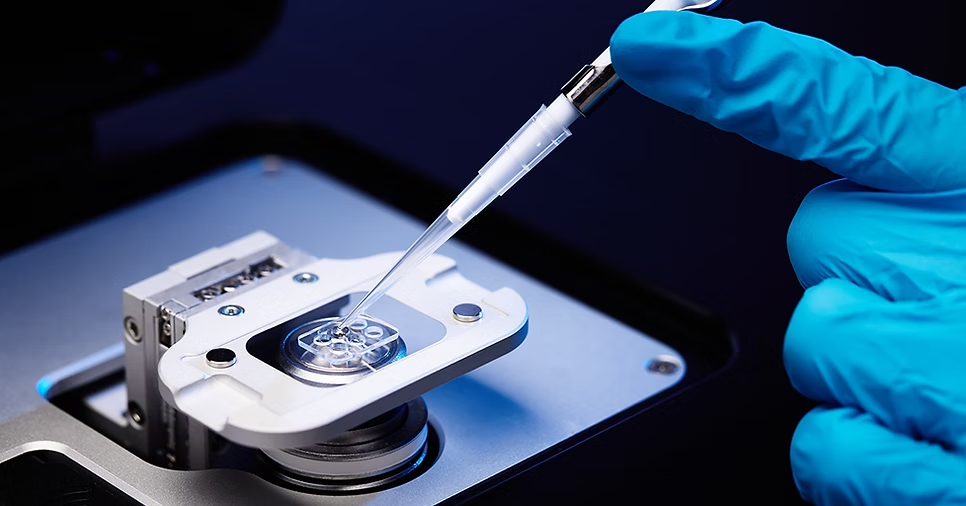
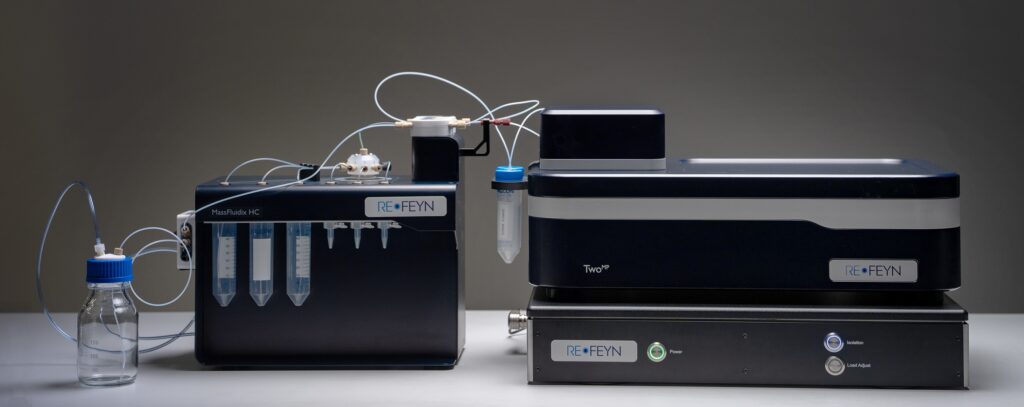
A compact, bench-top instrument with minimal installation requirements. Measurements only require a few microliters of sample and clean sample-carrier slides.
TwoMP Auto | Reliable, accurate walkaway solution
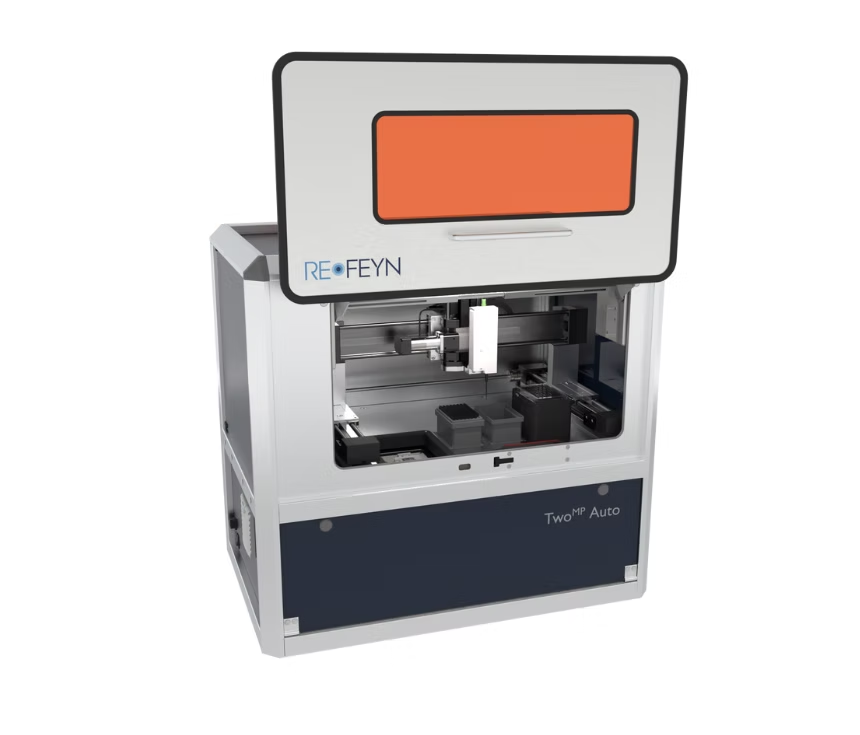
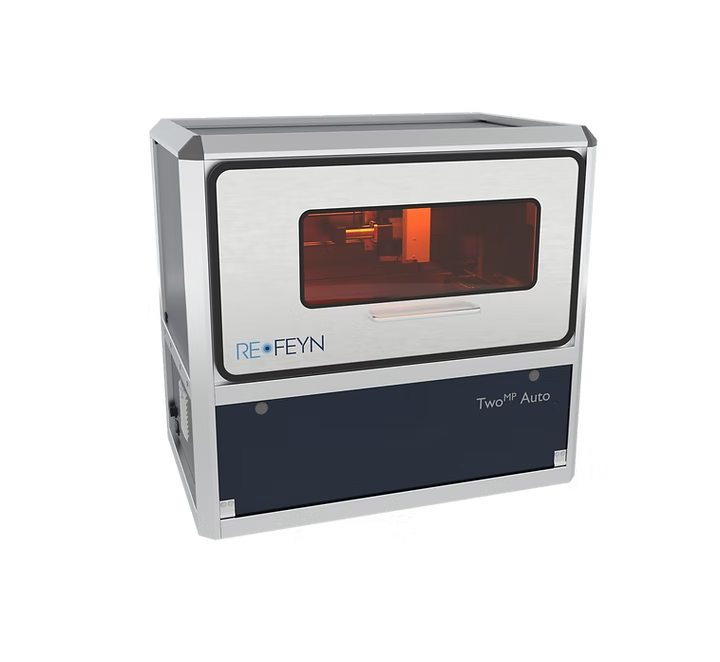
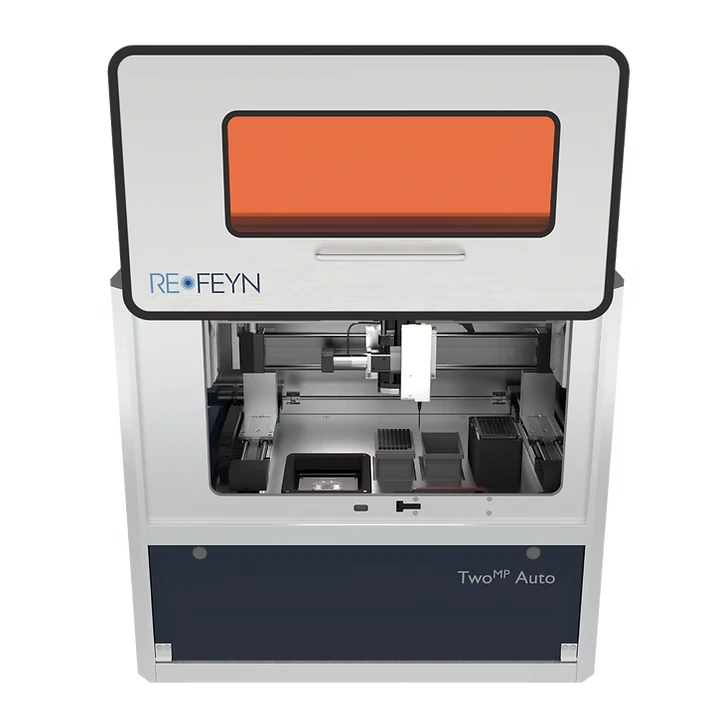
Automated mass photometry combines the ease and efficiency of automation with the unmatched sensitivity and simplicity of Refeyn’s molecular mass measurement technology. The automated mass photometer frees up operator time and offers enhanced precision, enabling rapid measurement of multiple samples with low sample consumption. Automation is compatible with the TwoMP.
Headline?
Rapid, automated measurement of multiple samples
Ideal for screening and titration assays
Highly reproducible data with a user-friendly software
Compatible with TwoMP unit
With the TwoMP Auto, you can screen up to 24 protein samples, within 90 minutes
The TwoMP Auto delivers automated mass photometry
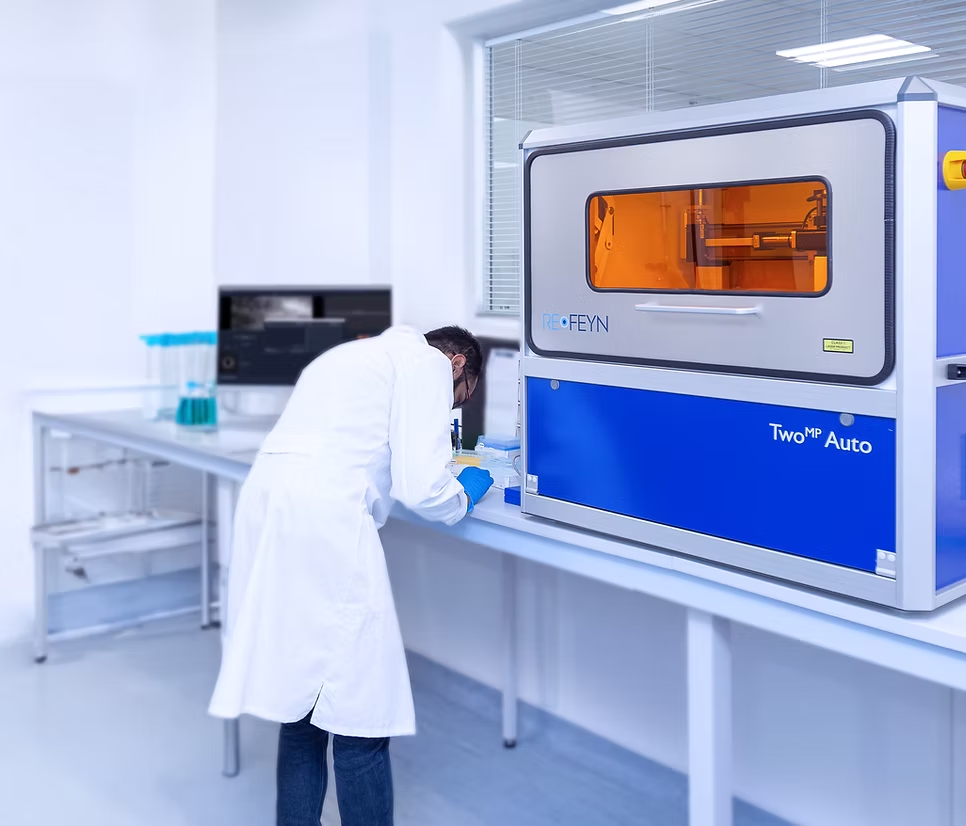
The TwoMP Auto streamlines your workflow, with highly reproducible data & a user-friendly software
Supporting Headline
Automated mass characterization
A user-friendly software interface
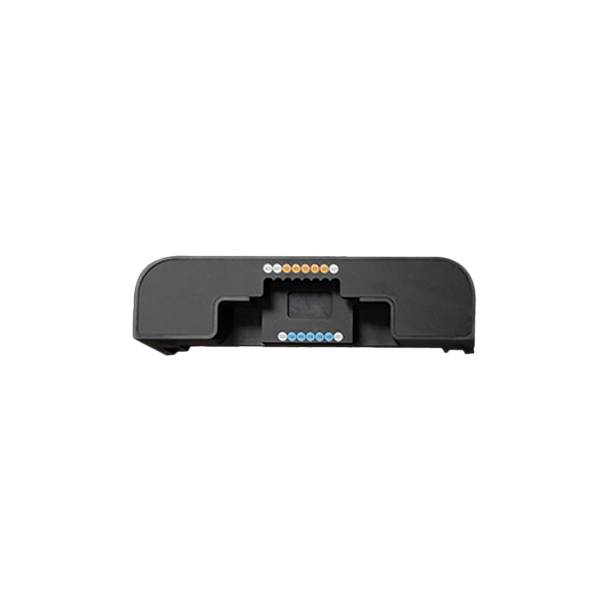
Automation unit compatible with TwoMP
Ideal for screening and titration assays
Highly reproducible data
Precision pipetting
Consistent measurements
Intuitive operation
A user-friendly software interface
Automation unit compatible with TwoMP
Choose your configuration
Start where you are today and scale as you grow – both configurations deliver the same trusted mass photometry results.
Refeyn TwoMP
For researchers who:
Work with antibodies or other proteins, or nucleic acids
Require the highest mass resolution available in mass photometry
Want to deeply characterize sample purity and homogeneity, aggregation, binding, molecular integrity, stoichiometry and complex formation
Require full access to raw data for custom analysis
Need publication-ready figures that can be fully customized
Want to use application-specific software packages from Refeyn
Antigen-antibody interactions are a prime example of molecular systems that can be studied using mass photometry, which can be applied to determine binding affinities for mono- and multivalent interactions.
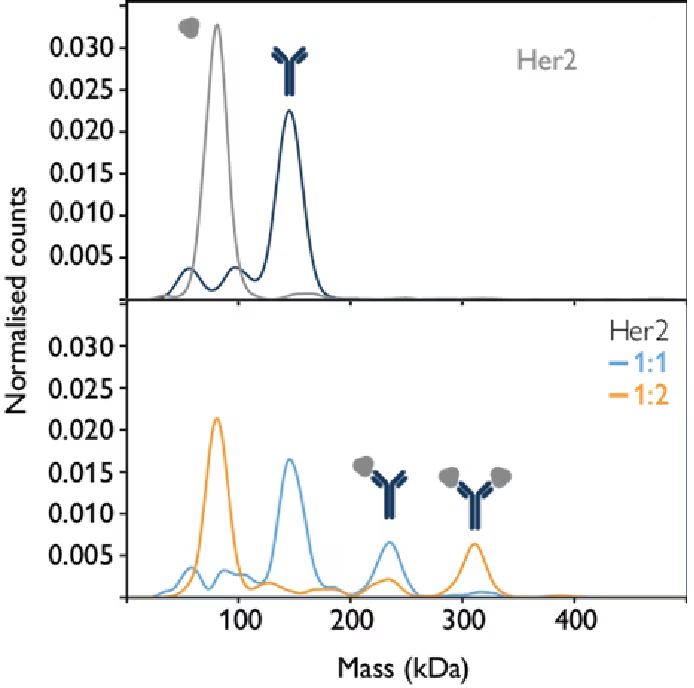
Figure 1 illustrates how mass photometry can be used to quantify molecular interactions. By measuring the mass of an antibody and its target antigen, Her2, individually and in mixtures, the interactions between individual antibody molecules and target antigens could be quantified.
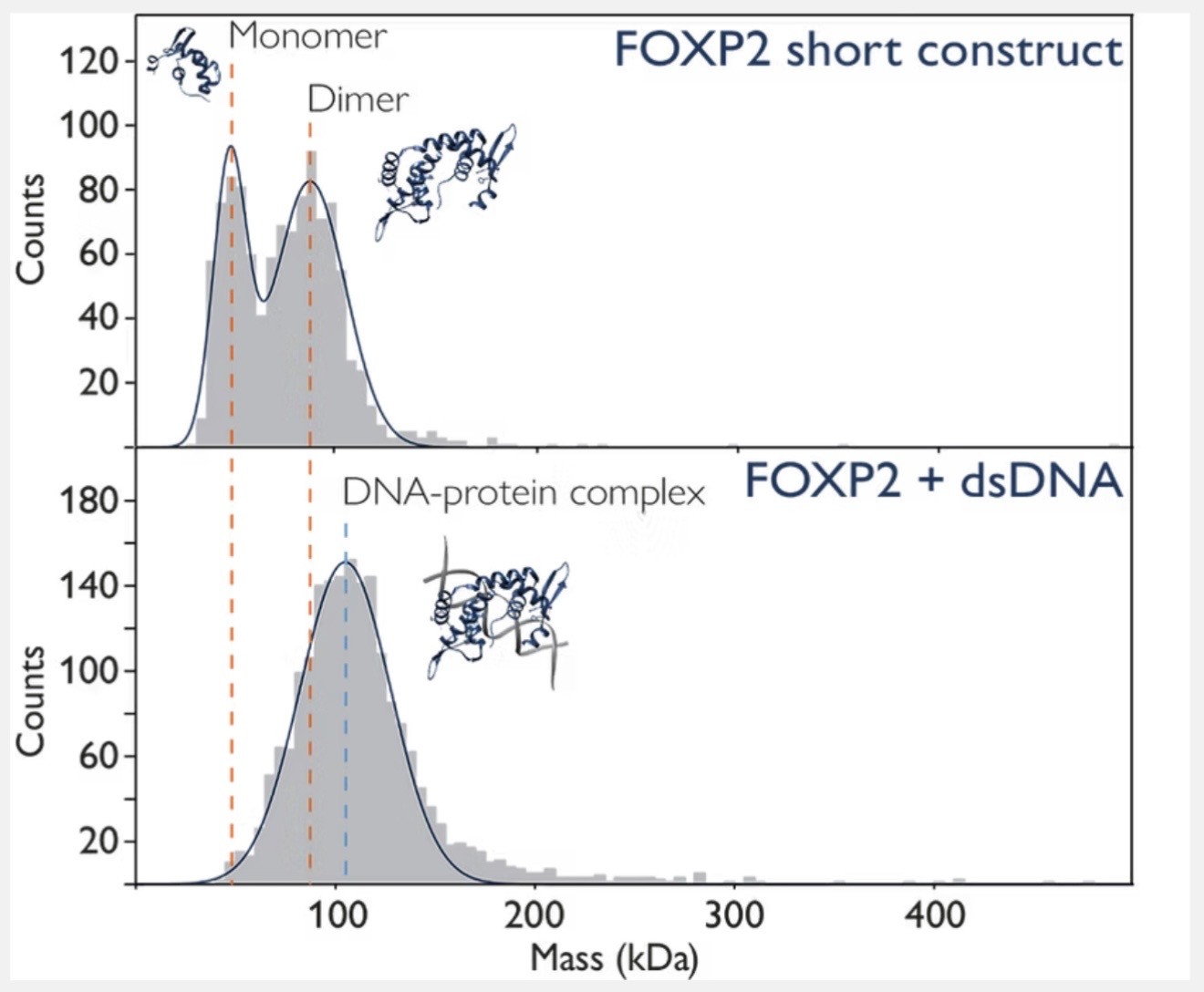
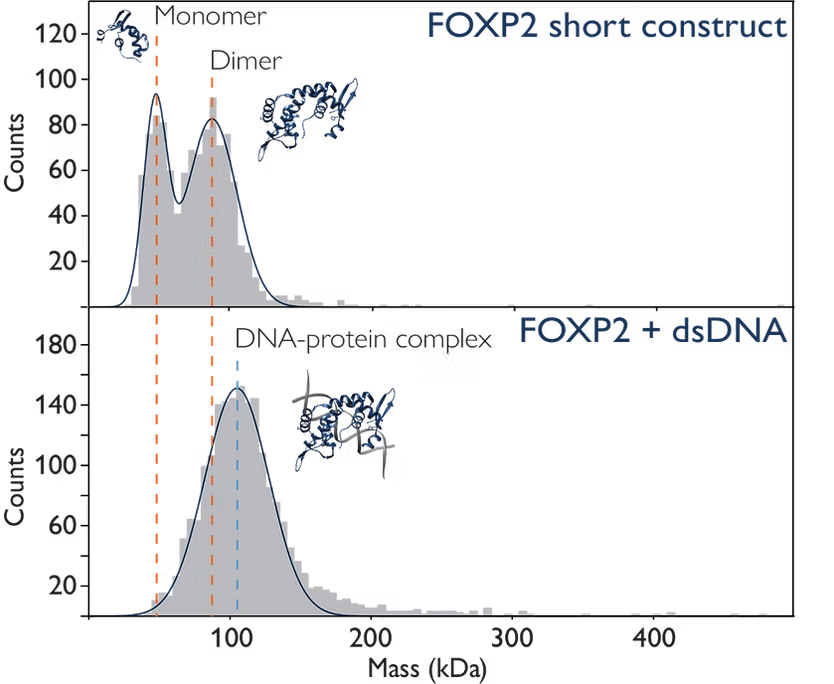
Mass photometry can be used to characterise DNA-protein complexes, which are crucial in gene expression, replication and DNA repair. In this example, mass photometry not only allows detection of DNA binding but also provides information on how the oligomeric state of the protein changes upon DNA binding (Figure 2).
Protein oligomerization
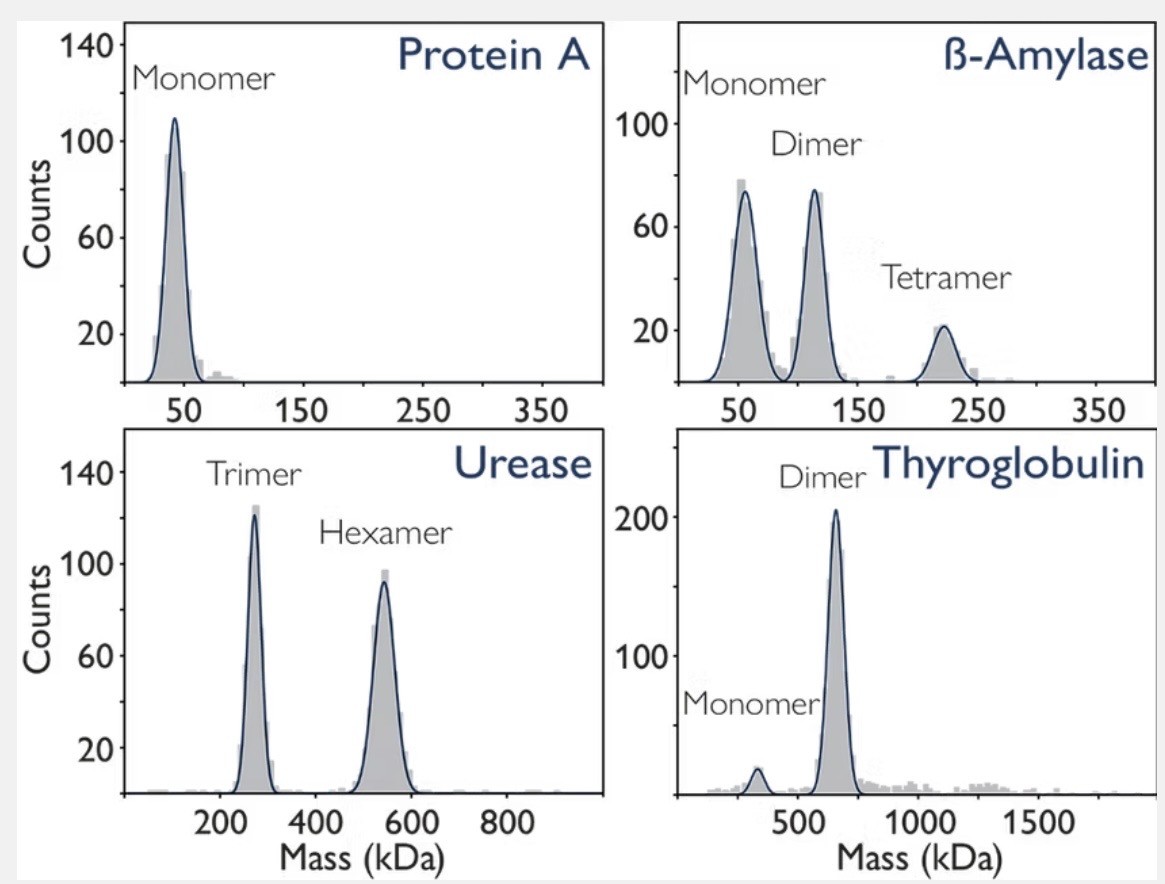
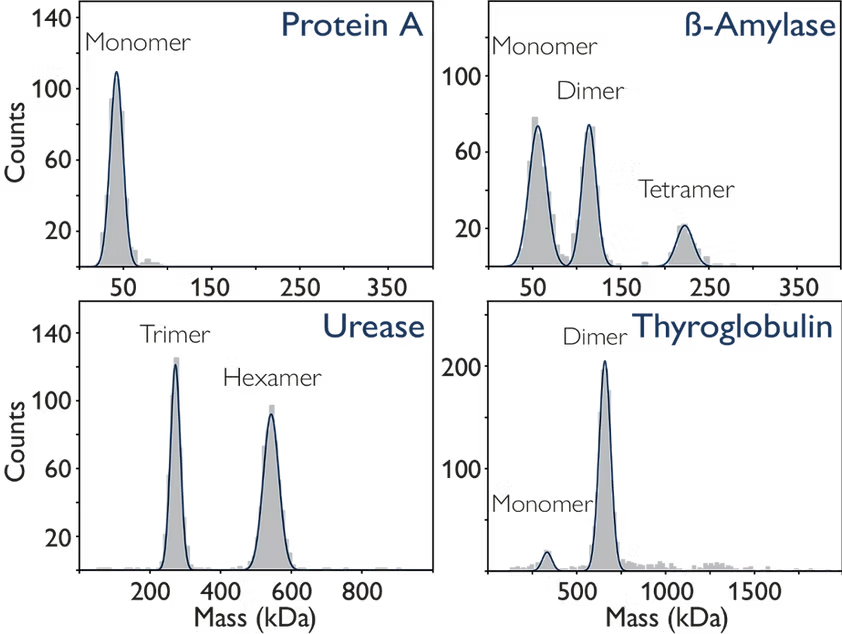
Many proteins adopt a particular oligomeric form under certain conditions. In Figure 1, mass photometry characterises four different proteins: protein A, beta-amylase, urease and thyroglobulin. Through this characterisation, these proteins showcase a range of behaviours – from purely monomeric (as in Protein A) to a dynamic equilibrium between multiple states.
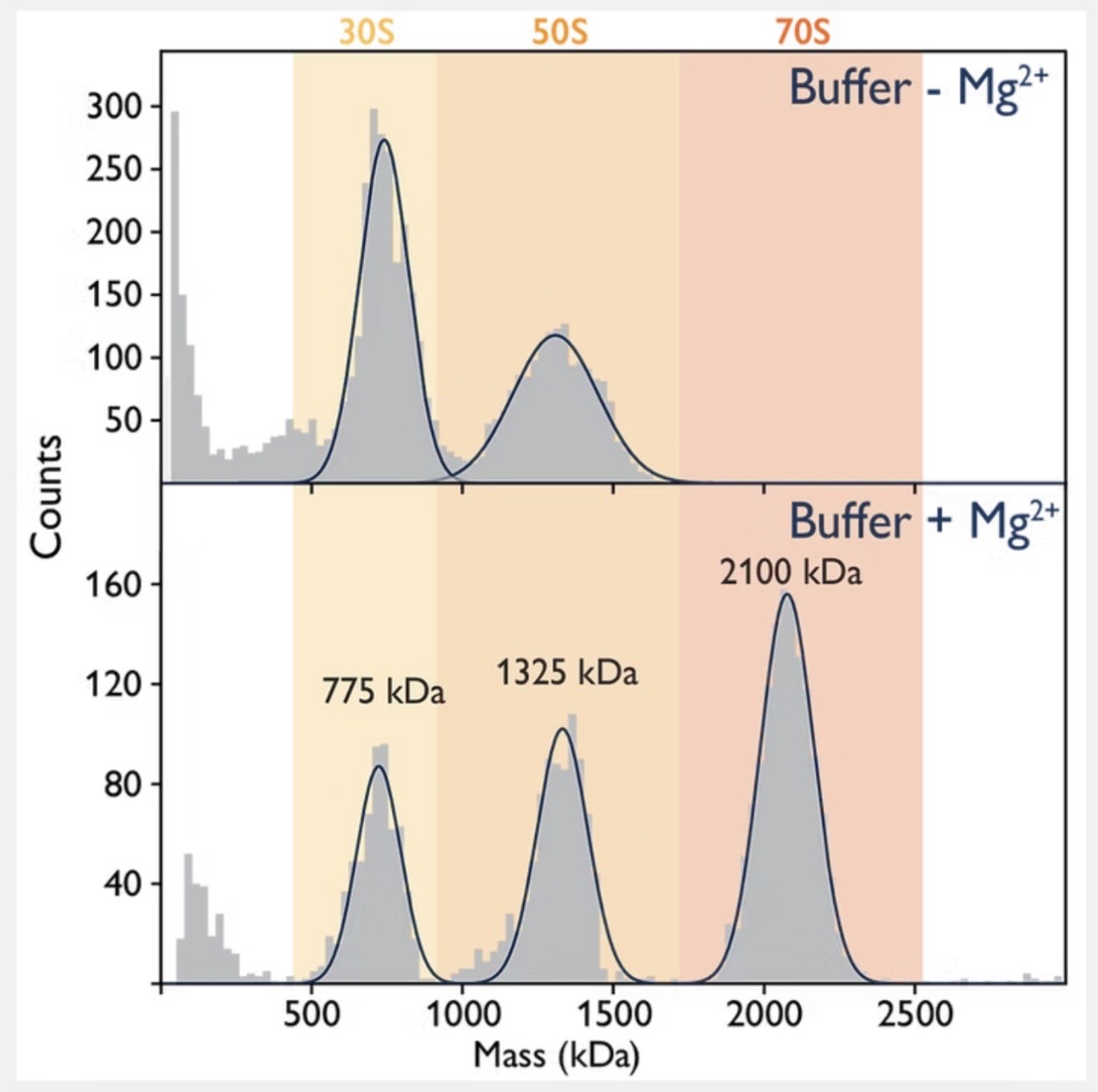
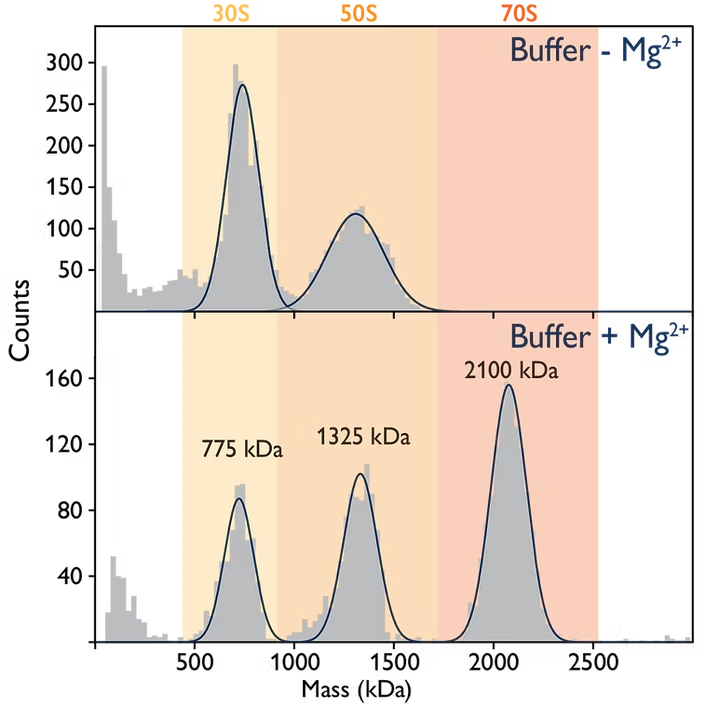
Ribosomes are macromolecular assemblies of protein and RNA, and are central sites for protein synthesis. Bacterial ribosomes (in this example from E. coli) are >2 MDa in size. Magnesium ions play a subtle yet important role in the assembly of intact (70S) complexes. In the absence of magnesium, E. coli ribosomes rapidly disassemble into their 30S and 50S subunits. Mass photometry allows us to monitor these processes.
Key advances of the TwoMP Auto
Highly reproducible results
The liquid-handling robot autonomously analyses 24 samples in as little as 90 minutes in a highly reproducible manner.
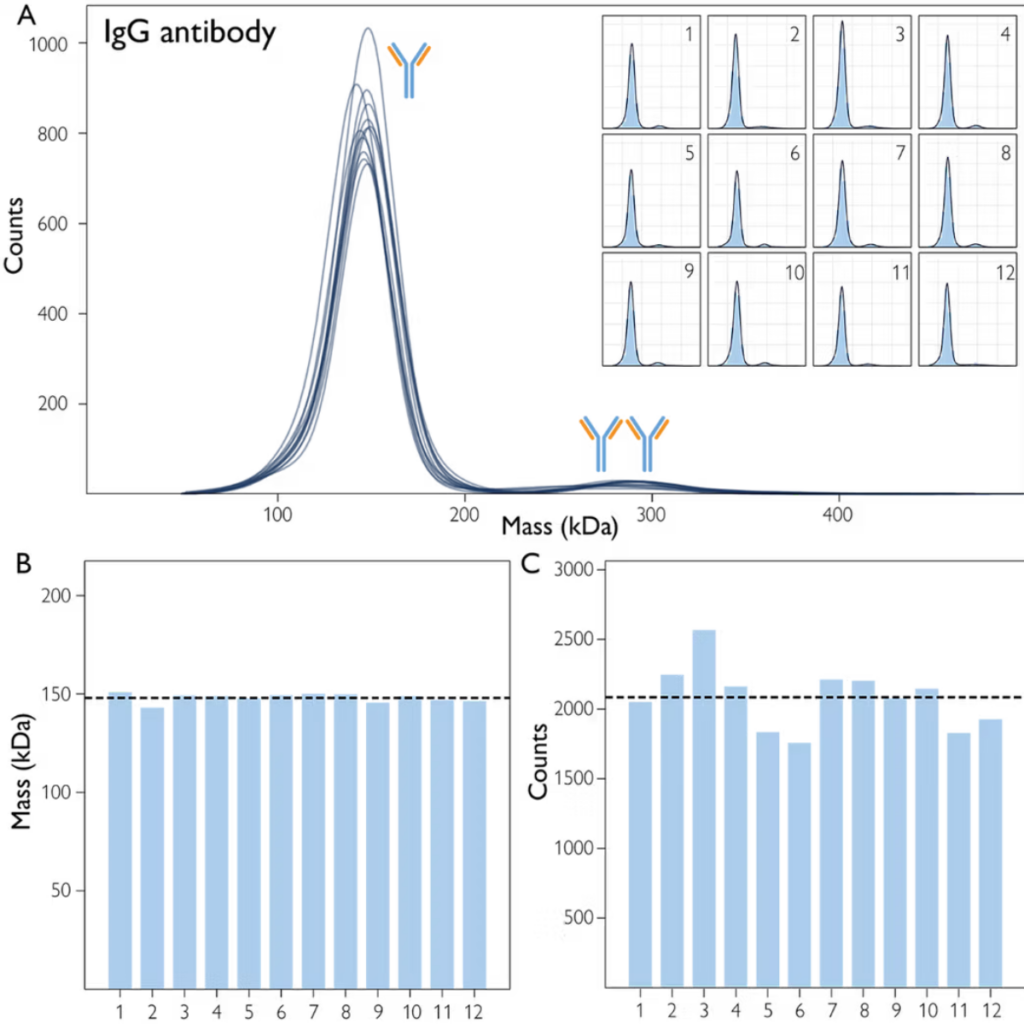
A straightforward, repeated measurement of a sample containing the antibody IgG illustrates the precision of the automated mass photometer, which is reflected in the high degree of reproducibility of the resulting data (Fig. 1).
Figure 1A shows histograms of 12 repeated measurements of an IgG sample made using automated mass photometry. Across the wells that contain the sample, the measured mass (Fig. 1B) and total counts (Fig. 1C) show low variability.
Figure 1 Automated mass photometry measurements are highly reproducible. Autonomously run mass photometry measurements show (A) the mass distributions of IgG forming monomers and dimers (inset: mass histograms for each well). The measured mass (B) and total counts (C) across the wells show low variability.
Frequently Asked Questions
What type of biomolecules can I measure with the TwoMP?
The TwoMP has a wide mass range, allowing the study of different biomolecules, including proteins, DNA, RNA, large macromolecular complexes, nanostructures and even small viruses such as AAVs.
What are the optimization steps necessary for a mass photometry measurement?
The only optimization step necessary prior to a mass photometry measurement is to adjust the final concentration of the sample; the sample concentration on the instrument should be between 100 pM and 100 nM. The optimal concentration range for a mass photometry measurement is 5-20 nM.
Does the shape/conformation of my protein affect the mass measured?
For biomolecules within the mass detection range of the TwoMP (30 kDa to 5 MDa), the shape/conformation doesn’t influence the interferometric contrast and thus mass measured by the mass photometer.
If my protein of interest is fluorescent under the laser light, will it affect the mass measured?
In mass photometry, the mass measurement depends on the interference between the light scattered by the molecule and reflected light from the glass surface. This interference signal will be orders of magnitude greater than the fluorescence signal, so the mass measurement will not be affected.
Which mass photometers are compatible with the ‘Auto’?
If you already have a TwoMP, and SamuxMP, these mass photometers can be upgraded to automated systems. New automated mass photometers are available for purchase as TwoMP Auto and SamuxMP Auto.
What consumables are available for the TwoMP Auto?
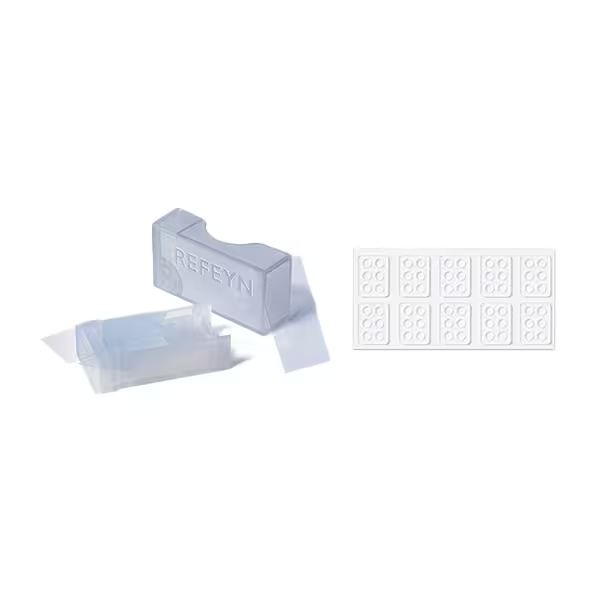
We recommend using the Refeyn mass photometry consumables for Automated Systems. If you have a new TwoMP Auto instrument, you can order a Starter Kit, which includes everything you need to prepare samples and run a measurement (sample carrier slides and sample well cassettes to support 120 sample measurements, and the Alignment Assist Package to affix the sample well cassette). You can top up your supply of consumables with the Sample Preparation Package, which includes ready-to-use sample carrier slides and sample well cassettes to support 300 sample measurements or the Sample Carrier Slide-Only Package for Automated Systems (based on your needs).
Is the TwoMP Auto able to dilute samples?
Yes, there is an ‘in-plate’ dilution capability, and the user can select the following options in the software (version R1 2023): 1/2, 1/4, 1/8, 1/10, 1/25, 1/50, 1/100, 1/250, 1/500, 1/1000.
What are the specs for TwoMP Auto?
In terms of mass photometry, these are the same as the mass photometer inside the ‘Auto’. For ‘Auto’ specific specs, please refer to the data sheet.
Top up your supply of consumables for mass photometry instruments!
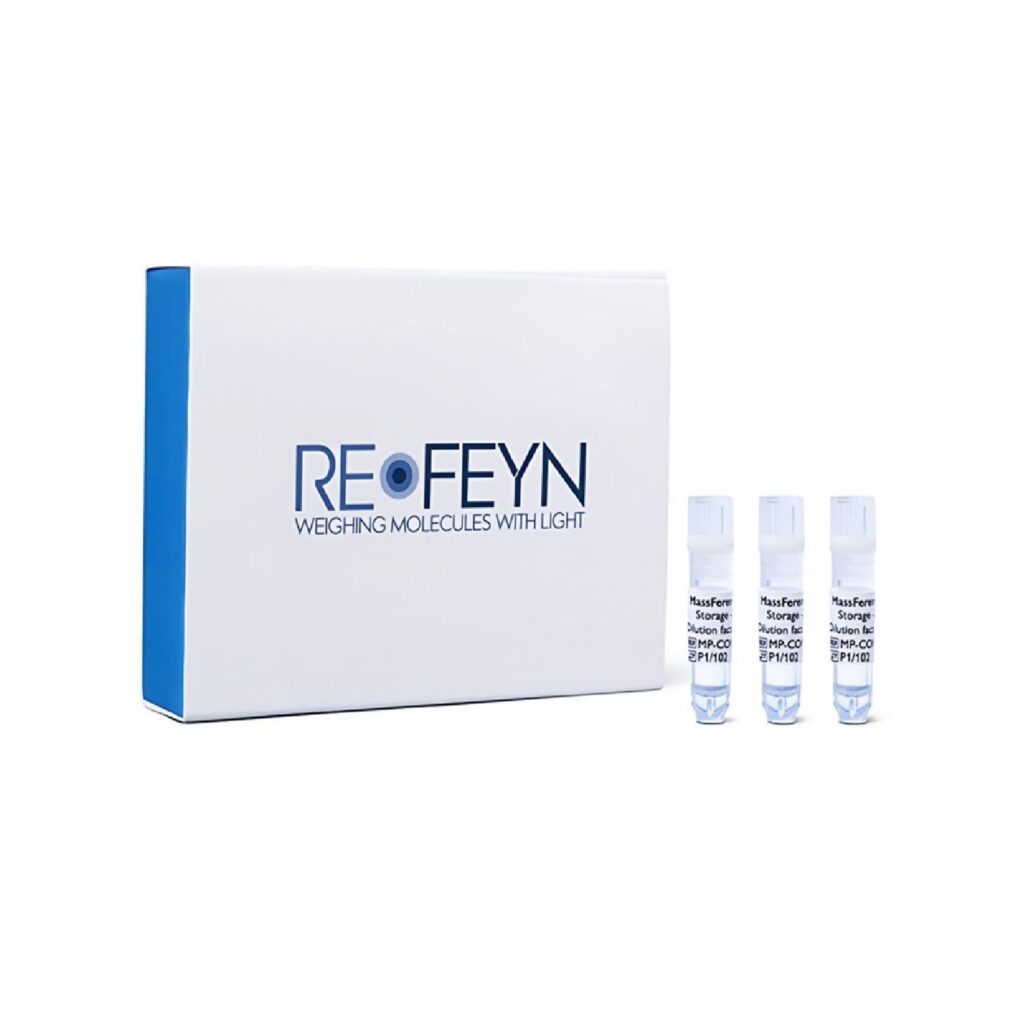
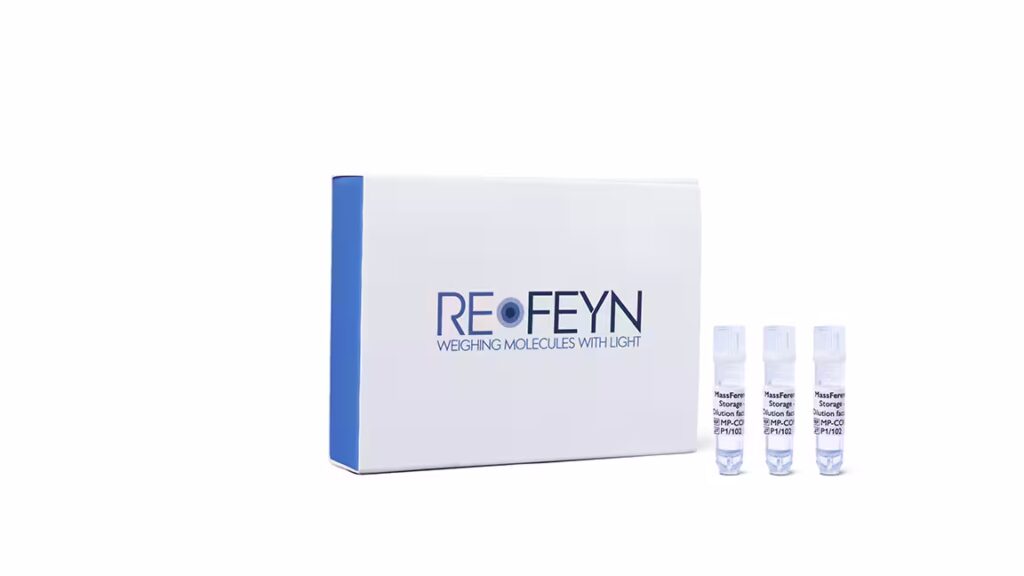
MassFerence P1 is a custom calibrant for the OneMP, TwoMP and TwoMP Auto, designed to calibrate mass photometry measurements of proteins with molecular masses ranging from 90 to 1000 kDa.
Refeyn’s consumables are recommended to ensure consistent measurements with minimum hassle. Click below to order!
MassFerence™ P1 Calibrant
MassFerence P1 enables accurate, reproducible protein mass calibration across 90—1000 kDa for OneMP, TwoMP, and TwoMP Auto.
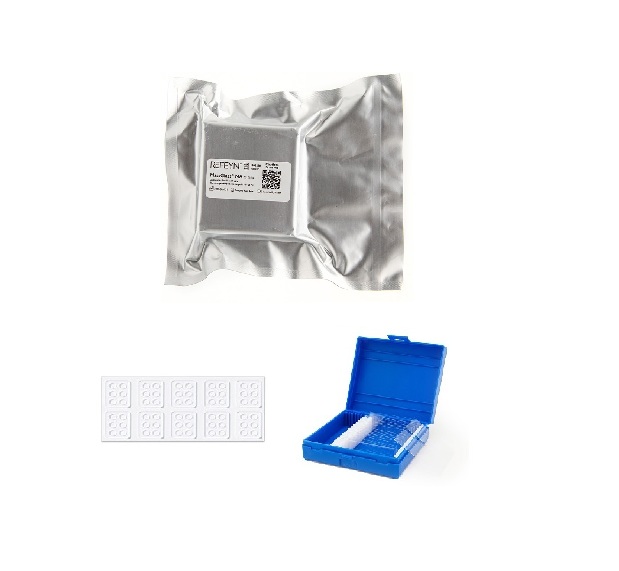
MassGlass NA Kit streamlines nucleic acid analysis with cationic-coated slides for direct, reproducible RNA and DNA mass photometry on TwoMP, eliminating extra prep and enabling faster, reliable results.
Find out how mass photometry can transform your sample characterization. Whether you’re focused on drug development, discovery science, or manufacturing, Refeyn’s innovative technology provides the insights you need to accelerate your breakthroughs.
Mass photometry is a revolutionary new method of analyzing molecules. It enables the accurate mass measurements of single molecules in solution, in their native state and without the need for labels. For molecular mass measurements with unmatched sensitivity, speed and simplicity of use, a TwoMP mass photometer offers wide mass range and single-molecule resolution.
High-fidelity measurements of molecular mass
Minimal quantities of sample required
Intuitive acquisition and data analysis software
Easy setup – a compact, benchtop instrument with minimum installation requirements
High-fidelity measurements
With its high sensitivity, the TwoMP is ideally suited for measurements at physiological (i.e. low) concentrations. The high dynamic range intrinsic to single molecule counting techniques ensures low-abundance species are still captured accurately.
Intuitive & efficient
Refeyn’s software automatically controls the acquisition process and performs the mass analysis in minutes. You can intuitively interpret the mass distribution results without the need for anyprior knowledge.
Minimal setup required
A compact, bench-top instrument with minimal installation requirements. Measurements only require a few microliters of sample and clean sample-carrier slides.
Antigen-antibody interactions are a prime example of molecular systems that can be studied using mass photometry, which can be applied to determine binding affinities for mono- and multivalent interactions.
Figure 1 illustrates how mass photometry can be used to quantify molecular interactions. By measuring the mass of an antibody and its target antigen, Her2, individually and in mixtures, the interactions between individual antibody molecules and target antigens could be quantified.
DNA-protein interactions
Mass photometry can be used to characterise DNA-protein complexes, which are crucial in gene expression, replication and DNA repair. In this example, mass photometry not only allows detection of DNA binding but also provides information on how the oligomeric state of the protein changes upon DNA binding (Figure 2).
Protein oligomerization
Many proteins adopt a particular oligomeric form under certain conditions. In Figure 1, mass photometry characterises four different proteins: protein A, beta-amylase, urease and thyroglobulin. Through this characterisation, these proteins showcase a range of behaviours – from purely monomeric (as in Protein A) to a dynamic equilibrium between multiple states.
Complex formation
Ribosomes are macromolecular assemblies of protein and RNA, and are central sites for protein synthesis. Bacterial ribosomes (in this example from E. coli) are >2 MDa in size. Magnesium ions play a subtle yet important role in the assembly of intact (70S) complexes. In the absence of magnesium, E. coli ribosomes rapidly disassemble into their 30S and 50S subunits. Mass photometry allows us to monitor these processes (Figure).
Frequently Asked Questions
What type of biomolecules can I measure with the TwoMP?
The TwoMP has a wide mass range, allowing the study of different biomolecules, including proteins, DNA, RNA, large macromolecular complexes, nanostructures and even small viruses such as AAVs.
What are the optimization steps necessary for a mass photometry measurement?
The only optimization step necessary prior to a mass photometry measurement is to adjust the final concentration of the sample; the sample concentration on the instrument should be between 100 pM and 100 nM. The optimal concentration range for a mass photometry measurement is 5-20 nM.
Does the shape/conformation of my protein affect the mass measured?
For biomolecules within the mass detection range of the TwoMP (30 kDa to 5 MDa), the shape/conformation doesn’t influence the interferometric contrast and thus mass measured by the mass photometer.
If my protein of interest is fluorescent under the laser light, will it affect the mass measured?
In mass photometry, the mass measurement depends on the interference between the light scattered by the molecule and reflected light from the glass surface. This interference signal will be orders of magnitude greater than the fluorescence signal, so the mass measurement will not be affected.
Quantifying protein binding affinities using mass photometry
Read this application note to learn how you can use the TwoMP mass photometer to characterize protein-protein interactions, quickly and easily. Discover how you can determine the relative abundance of each protein and the complexes they form in solution, using this label-free bioanalytical tool. Learn also how you can use the mass photometry measurements to calculate the equilibrium dissociation constant (KD) for each interaction.
Monitoring aggregation levels of biosimilar mAbs using mass photometry and SEC
Check out this webinar to learn how mass photometry compares with size-exclusion chromatography (SEC) in measuring antibody aggregation. In the showcased study, both techniques were used to measure the aggregation levels of a monoclonal antibody used to treat breast cancer and several of its biosimilars.
The pros and cons of mass photometry and SEC for biomolecular characterization are discussed, highlighting the factors that should be considered when analyzing and comparing data generated by these two techniques.
MassFerence P1 is a custom calibrant for the OneMP, TwoMP and TwoMP Auto, designed to calibrate mass photometry measurements of proteins with molecular masses ranging from 90 to 1000 kDa.
Refeyn’s consumables are recommended to ensure consistent measurements with minimum hassle. Click below to order!